

Taxpayers Sue to Invalidate LSU Tax Approved without Vote of the People
 December 19, 2025
  0 Comments
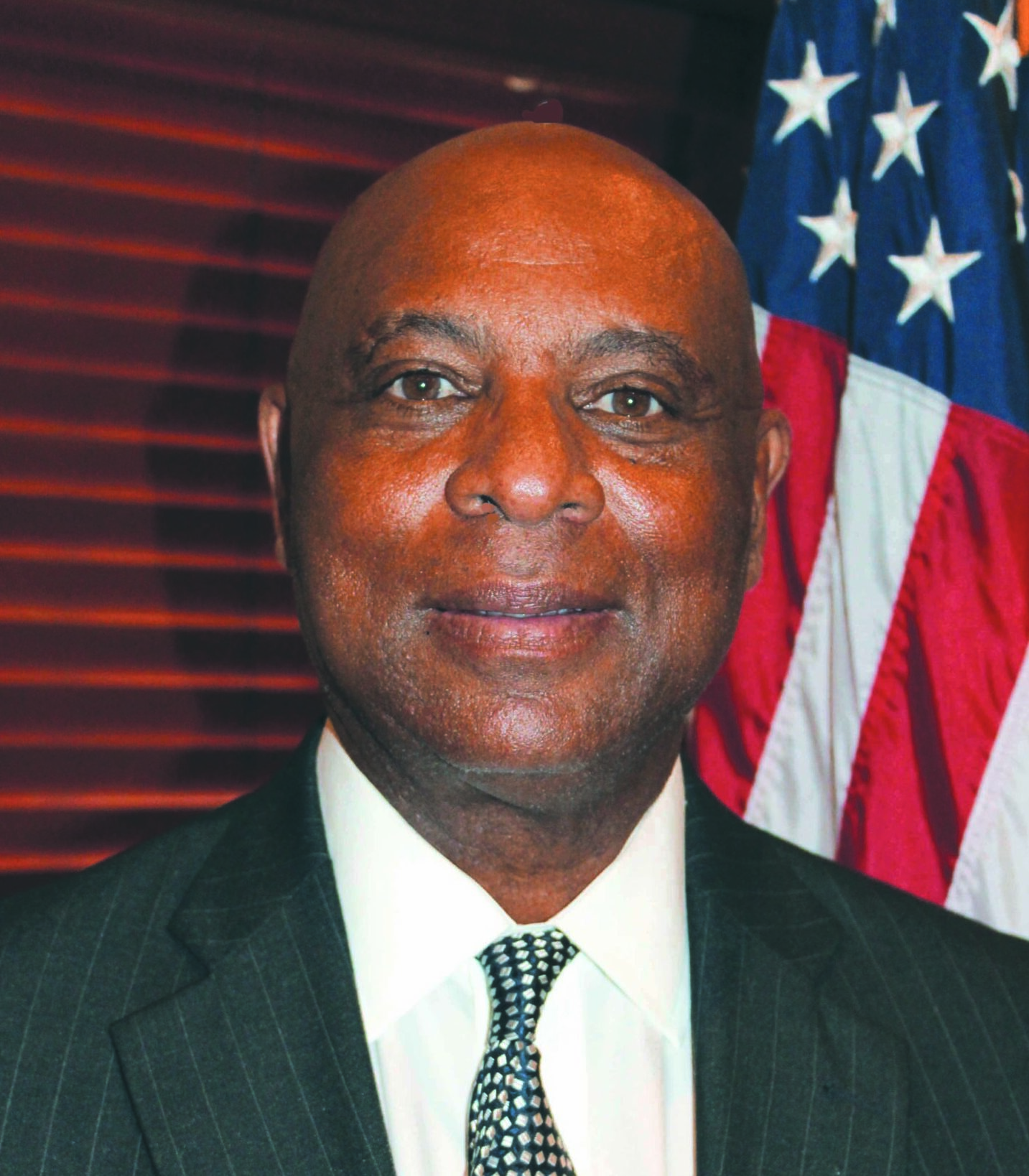
Former Baton Rouge Metro Councilman Darrell Glasper, Sr. sued the new LSU Economic Development District, contending that the district violated the Louisiana Constitution when the district board imposed a sales tax on local businesses near LSU without a vote of the people.
According to some estimates, the tax will take approximately $160 million from roughly 100 businesses near the LSU campus over a 30-year period.
The lawsuit addresses two governmental bodies – the Louisiana State University Economic Development District and the LSU EDD Athletic Subdistrict – created by a 2023 law called Act 203. The two districts are controlled by the President of LSU, who appoints all members of the districts’ boards, which are empowered to raise sales and hotel occupancy taxes.
Constitution Requires Voter Approval for New Sales Taxes. The Louisiana Constituion requires that taxing bodies must hold an election to if local sales taxes would exceed three percent.
But Law Creating LSU District Takes Away Tax Election. Despite the Constitution, Act 203 defined these two districts to exclude any location where voters might have lived in June 2023, on the theory that if there are no voters, the districts can avoid a voter referendum on the tax increase.
LSU Conspired to Avoid Voter Approval. The exclusion of voters was intentional. A slide prepared by LSU before the districts were created said, “There will be no registered voters in the proposed district. Importantly, the new tax can be levied against businesses in the EDD because a business is not a voter.”
Glasper points to text messages and emails that he says reveal the “secret plan” for the taxpayer money – to funnel much or all of it to the private developers of the new to-be-constructed LSU sports arena.
Public Statements vs. Private Emails on Use of Tax. Glasper’s lawsuit highlights the difference between public statements about the taxpayer money, like a statement that “no use [has] been determined right now”, with private emails and text messages like one saying that the arena “project gets both cents of new taxes. That has been the deal from day one.”
Glasper’s suit points to emails indicating an effort to keep the plans secret from the public, like one that reads in all caps, “PLEASE DO NOT SHARE THIS WITH ANYONE AT LSU. WE CANNOT EXPOSE THIS TO A PUBLIC RECORDS REQUEST.”
Communications directly with LSU, a state entity, would be subject to public records requests.
Secret Plan Was Illegal. The lawsuit concludes that the districts’ “effort to secretly give millions of dollars of taxpayer money to private developers without voter approval or knowledge is illegal and unconstitutional.”
Glasper contends that he is “not seeking to stop anyone from building the arena,” but rather pointing out that “if a private arena is going to be built, it should not be secretly funded with taxes that have not been approved by the voters.”
Glasper, said, “It is disheartening to witness the level of deception and dysfunction in government. It seems that the very purpose of government, to work for the betterment of the people, has been lost in the pursuit of personal gain and power. ”
Attorney William Most said, “Democracy does not come with loopholes. If the LSU president wants to raise local taxes, he has to ask voters to approve it – because that is what the law requires.”


No comments yet... Be the first to leave a reply!